
About
Why I built Black Stacks.
I'm Alex — the founder of Black Stacks. This is the honest version of why it exists.
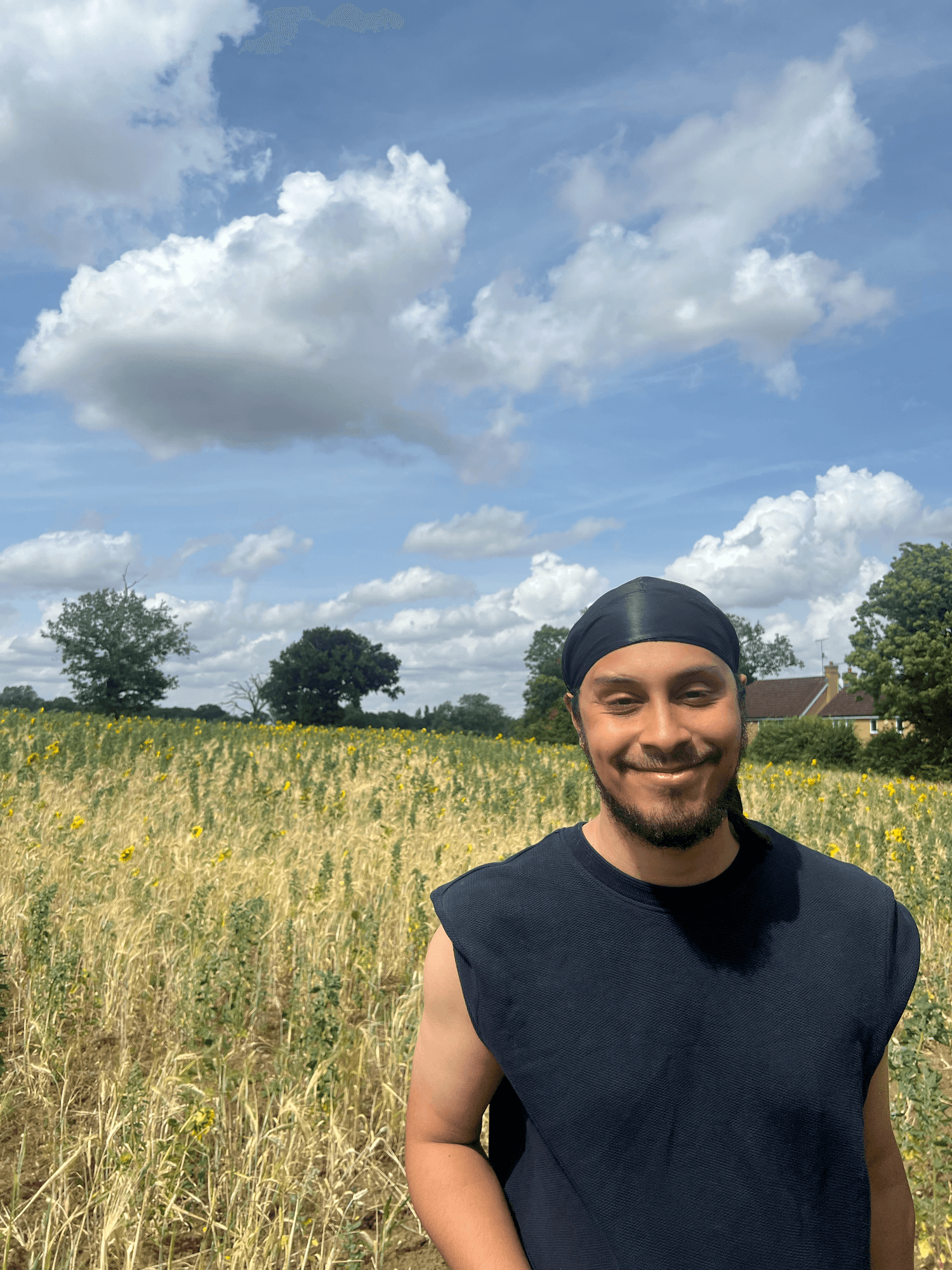
Alex Donovan-Lowe
Founder, Black Stacks
I grew up somewhere with a small Black population, and I remember exactly what that meant day-to-day: never quite knowing where to find a barber who understood my hair, or a shop that stocked the food I got to eat only on special occasions. It wasn't a crisis. But, it was a small, constant tax on being somewhere different. One that most people around me never had to think about, because they never had to pay it.
That gap, between wanting to support Black-owned businesses and actually being able to find them, followed me into everything I did afterwards. I studied Computer Science at the University of Portsmouth, then spent years working directly on gaps like it: first as the Students' Union's Lead PGM (People of the Global Majority) Ambassador, lobbying the university toward a Zero-Tolerance to Racism policy and working to close the awarding gap facing minority students; later as the University's Equity, Diversity & Inclusion Officer, updating policy, contributing to its Race Equality Charter and Athena Swan work, and reviewing training so it actually changed how people worked, not just what they said.
My postgraduate research keeps pulling at the same thread from a different angle. My MA dissertation examined how the UK's relationship with its former Sub-Saharan African colonies still shapes the world today. The research I'm doing now keeps circling the same underlying question: how the systems around us quietly decide who gets found, and who doesn't.
Black Stacks is the first time I've tried to answer that question directly, rather than through policy. I built it myself because I finally had both halves of what it needed: the lived reason to care, and the technical background to actually build the thing. Spending is a choice. This is the tool to make it an easy one.
I also want this to give back beyond the app itself. Once it's covering its own costs, any profit beyond that is meant to go straight back into the community: funding opportunities for working-class families, backing campaigns and causes that matter, and supporting registered Black-owned businesses directly, not just listing them.